
Crypto
How to Recognise Crypto Scams: Common Types and Warning Signs
Giveaway fraud, fake investment platforms, wallet drainers and recovery scams all follow patterns. Learn the red flags and what to do if you are targeted.
Read the articleGuides for running a site, setting up email and moving between hosts, plus updates from our team.
Giveaway fraud, fake investment platforms, wallet drainers and recovery scams all follow patterns. Learn the red flags and what to do if you are targeted.
Read the article
Your seed phrase is the master key to your crypto. Learn how to store it safely, when to use a hardware wallet, and the habits that prevent common losses.

A neutral look at why merchants add cryptocurrency checkout, from global reach to no chargebacks, and at the costs: volatility, tax work, refunds and support.

A step-by-step look at crypto checkout: invoices, rate quotes, confirmations, webhooks and settlement. See what a payment processor handles for a merchant.
A VPS is a slice of a server; a dedicated server is the whole machine. Compare performance, isolation, control, cost and management to choose the right one.
On 15 September 2022 Ethereum switched from proof of work to proof of stake. See how the Merge worked, what changed, and what it did not change.
Plesk is more than a point-and-click panel. See how developers use its Git integration, Node.js support, per-domain PHP versions, SSH access and cron jobs.
In 2021 El Salvador became the first country to make Bitcoin legal tender. A neutral look at the law, the Chivo wallet, the IMF's concerns and the 2025 changes.
A staging site mirrors production so you can test updates and deployments safely. Learn to set one up, hide it from search engines and keep data separate.
QuadrigaCX said its founder died holding the only keys to customer funds. Investigators later found a very different story. A factual account of the 2019 case.
Use rsync over SSH to copy site files and database dumps to another machine, keep dated snapshots with hard links, and avoid the common backup mistakes.

In January 2018 Japan's Coincheck lost 523 million NEM tokens from a hot wallet. See what happened, how regulators responded and what it changed for exchanges.
Wrong server time breaks logs, certificates, cron jobs and logins. Learn to set the time zone, enable NTP sync and handle time zones correctly in your apps.

In August 2021 an attacker took over $600 million from Poly Network, then returned almost all of it. Here is what went wrong and what is known about the flaw.
Swap lets Linux move rarely used memory to disk. Learn when it helps, when it hurts, how to create a swap file and how to tune swappiness on a small VPS.

In March 2022 attackers took about $600 million from the Ronin bridge behind Axie Infinity. See how validator keys were compromised and what it taught.
Learn how to estimate VPS size from real memory use, concurrent workers and traffic patterns, and how to spot when a server is too small or oversized.

FTX went from one of the biggest crypto exchanges to bankruptcy in about nine days in November 2022. Here is the documented timeline, trial outcome and lessons.
Which Linux distribution should run your VPS? Compare Ubuntu LTS, Debian, AlmaLinux and Rocky Linux on lifecycle, packages, panels and your experience.
In May 2022 TerraUSD lost its dollar peg and LUNA fell to almost nothing within days. A clear account of how the system worked, how it broke and the fallout.
What Redis is, when it helps (caching, sessions, queues, rate limits), how to install it securely on a VPS and how to configure memory limits and persistence.
Stablecoins try to hold a steady value, usually one US dollar. Trace their history from 2014 to today, and learn how they work and where they have failed.
Install Certbot, issue a free Let's Encrypt certificate for Nginx or Apache, check automatic renewal and reload your web server after each renewal.

The Lightning Network moves small Bitcoin payments off the main chain. See how payment channels work, the 2015 paper, the 2018 launch and the trade-offs.
A reverse proxy sits in front of your applications and handles HTTPS, routing, caching and load balancing. See how it works and how to configure it with Nginx.

Bitcoin's years-long argument over block size ended with SegWit and the Bitcoin Cash split in 2017. A neutral account of the debate, the forks and the outcome.
Learn practical ways to deploy without visible downtime: graceful reloads, atomic release symlinks, rolling restarts and backwards-compatible migrations.

Every 210,000 blocks the Bitcoin block reward halves. Learn how halvings work, the four so far, and why the schedule sets a 21 million coin cap.
Learn which server metrics matter (disk, memory, CPU, uptime, certificates, backups), the quick commands to check them and the tools that alert you early.

CryptoKitties launched in November 2017 and filled Ethereum with transactions. See how a collectible game exposed scaling limits and popularised NFT standards.
A practical tour of /var/log, journalctl and web server logs. Learn which log answers which question, with commands to search, follow and summarise them.

Initial coin offerings went from a niche idea to a global wave in 2017. A neutral history of the boom, its first rules and what regulators decided.
Where to store database passwords and API keys on a server: environment variables, env files, systemd, Docker and PHP-FPM, plus the mistakes that leak secrets.

In August 2016 attackers took 119,756 BTC from Bitfinex. A factual account of the breach, the BFX tokens, and the 2022 arrests and seizure by US authorities.
Learn cron syntax, where jobs are stored, why they run with a minimal environment, and how to prevent overlaps, capture output and debug a job that never ran.

In June 2016 an attacker drained millions of ether from The DAO. Here is what the bug was, why Ethereum hard-forked in July, and why Ethereum Classic exists.
Git makes deployments repeatable and reversible. Compare pulling on the server with push-to-deploy hooks and keep secrets and the .git folder safe.
Ethereum went live on 30 July 2015 after a 2014 crowdsale. Here is the story of its creation, what smart contracts are, and how the network first worked.
A practical intro to Docker and Compose on a Linux VPS: images, containers, volumes, restart policies, safe port binding and the mistakes that cause trouble.
Mt. Gox once handled most Bitcoin trading. In 2014 it halted withdrawals and went bankrupt. A factual look at what happened and why custody became a topic.
A practical introduction to running PostgreSQL on a Linux VPS: install, roles and databases, pg_hba.conf, backups with pg_dump and sensible first tuning steps.
Silk Road launched in 2011 and was shut down in 2013. Here is how it worked, how Bitcoin and Tor were used, and how it shaped regulators' view of crypto.
Install MariaDB or MySQL, create a database and least-privilege user, keep it private and back it up with mysqldump. Includes a restore test to run.
In August 2010 a bug created 184 billion bitcoins in one transaction. Learn how the integer overflow happened, how it was fixed in hours, and what it taught.
Learn how PHP-FPM pools work, how to size pm.max_children from real memory use, and which OPcache settings help most on a busy PHP site or WordPress server.
On 22 May 2010 a programmer paid 10,000 BTC for two pizzas. Here is what happened, why it matters historically, and what it shows about early Bitcoin.
Deploy a Python web app properly: virtual environment, Gunicorn as the app server, systemd to keep it running and Nginx in front. Safe, copyable commands.
On 3 January 2009 the first Bitcoin block was mined. See what the genesis block contains, the newspaper headline inside it and why its 50 coins cannot be spent.
Run a Node.js app in production: install Node, keep it alive with systemd, put Nginx in front as a reverse proxy and add HTTPS. Commands included.
On 31 October 2008, Satoshi Nakamoto shared a nine-page paper describing peer-to-peer electronic cash. Here is what the whitepaper proposed in plain language.
Nginx and Apache both power large parts of the web. Compare architecture, .htaccess support, configuration style and typical use cases to pick the right one.
Before Bitcoin there were Hashcash, b-money and bit gold. Here is what each proposal did, who made it, and which ideas Satoshi Nakamoto later combined.
A step-by-step guide to installing Nginx on Ubuntu, writing a server block, testing the config safely and serving your first site over HTTP and HTTPS.
The cypherpunk movement began in 1992 with a small mailing list and a belief in strong encryption. Here is how it shaped Bitcoin and the modern privacy debate.
fail2ban reads your logs and bans addresses that keep failing to log in. Learn how jails work, how to install it safely and how to check who was banned.
How David Chaum's blind signatures led to DigiCash in 1989, why ecash never reached mass adoption, and what its story still teaches about online payments.
A firewall decides which network traffic reaches your server. Learn how ufw on Ubuntu and firewalld on AlmaLinux work, with safe commands you can copy.

On 3 February 2011 the last blocks of IPv4 addresses were handed out. Learn why the internet ran short, what IPv6 changes, and what it means for you.
SSH is the front door to your server and a constant target for bots. These sshd settings, tested safely, cut the risk without locking you out.

Let's Encrypt launched in 2015-2016 and gave away SSL certificates. See how the web moved from plain HTTP to HTTPS, and why every site now needs a certificate.
SSH keys replace guessable passwords with a cryptographic key pair. Learn how public and private keys work, how to generate them and how to protect them.

CSS was proposed in 1994 by Håkon Wium Lie at CERN. Follow its path from CSS1 to Flexbox and Grid, and see why clean stylesheets matter for your site.
A new VPS is an empty, internet-facing server. Follow this order to make it safe and usable: updates, a non-root user, SSH keys, a firewall and backups.
Brendan Eich built the first JavaScript at Netscape in May 1995. See how a quick prototype became ECMAScript, AJAX, Node.js and the language of the web.
A practical weekly, monthly and yearly website maintenance checklist covering updates, backups, security, speed, links, forms, content and legal pages.
In 2006 Amazon launched S3 and EC2 and began renting computing by the hour. Learn how AWS started cloud computing and how it relates to VPS and web hosting.
Decide between DIY and hiring a web developer: signs you need help, what to put in a brief, how to evaluate candidates and what the contract should cover.
The iPhone arrived in 2007 with a real web browser in your pocket. See how smartphones, responsive design and mobile-first indexing changed how sites are built.
Plan a realistic website budget: build costs, ongoing costs, hidden extras, phasing and the questions to ask any quote. A framework, not fixed prices.

In 1965 Gordon Moore noticed chip components doubling regularly. See how Moore's law drove cheaper computing, hosting and the cloud, and where it slows.
Social profiles are rented space and a website is property you own. See what each does best, the risks of relying on platforms and how to combine them.

In 1947 operators of the Harvard Mark II taped a real moth into their logbook. See the story of the first computer bug and how debugging became a discipline.
Planning a multilingual website for Europe: language versus country, URL structure, hreflang, translation quality, legal differences and maintenance.

Unix began in 1969 at Bell Labs with Ken Thompson and Dennis Ritchie. Learn how its ideas and the C language shaped Linux, macOS and almost every server.
Plan a membership website: choose a model, decide what is gated, handle billing and accounts, deliver lasting value and avoid common mistakes.
In 1998 Netscape released its browser code and a group coined the term open source. Read how this changed software and why it matters to website owners.
Sell ebooks, templates, courses or software online: pick a product, protect files, handle tax and payments, deliver downloads and support customers sensibly.

In 1983 Richard Stallman announced GNU, a free Unix-like system. See how the GPL and the four freedoms shaped the software behind your website.
How agencies can package website maintenance: what to include, service levels, pricing models, reporting and boundaries, plus hosting that keeps it manageable.

In August 1991 a Finnish student announced a free operating system as a hobby. Read how Linus Torvalds's Linux kernel came to power servers, phones and hosting.
What a freelancer portfolio needs: positioning, case studies, services, proof, a simple contact flow and a setup you control on your own domain.
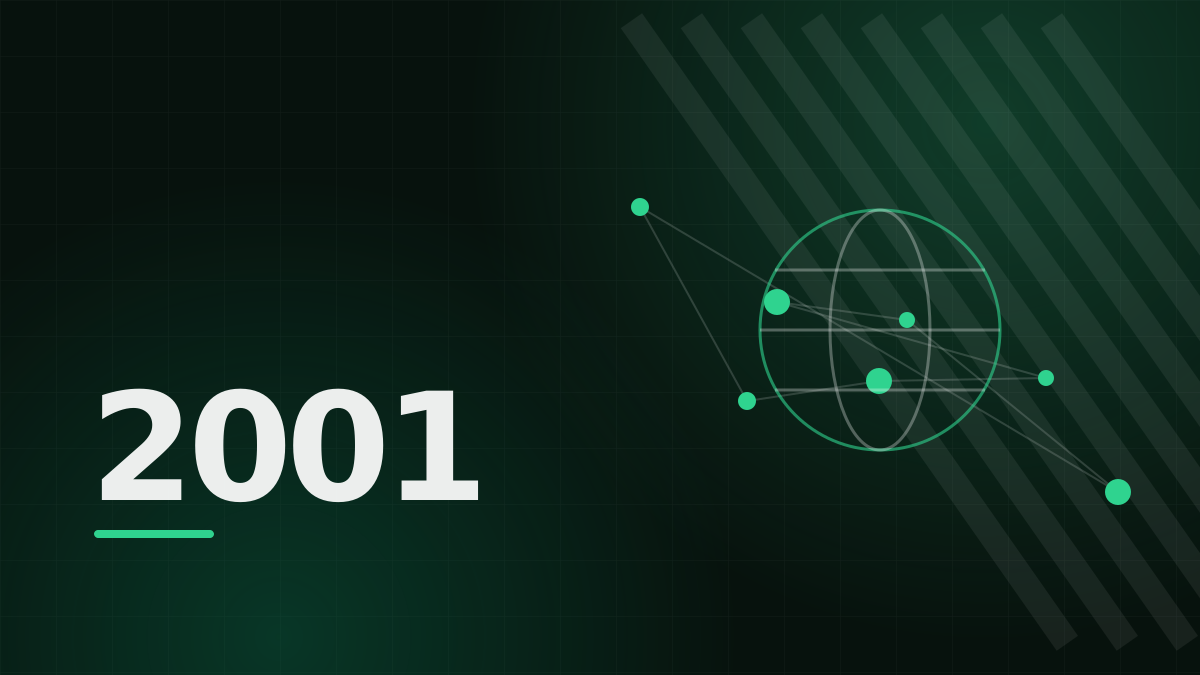
Wikipedia went live on 15 January 2001, built on wiki software and open licensing. Read how Jimmy Wales and Larry Sanger started it and how it runs today.
Plan a redesign that keeps your search traffic: inventory pages, map redirects, preserve content, test on staging, launch carefully and monitor afterwards.
In 1998 two Stanford students built a search engine that ranked pages by their links. Read how Google and PageRank began and what it means for your website.
How small sites can run honest A/B tests: choosing what to test, writing a hypothesis, sample size reality, running time, reading results and alternatives.
Between 1995 and 2000 internet stocks soared, then collapsed. Read what caused the dot-com bubble, who survived, and the lessons it left for online businesses.
Define what a conversion is for your site, set up tracking for forms, calls and sales, calculate conversion rates and find where visitors drop out.
WordPress started in 2003 as a fork of an abandoned blogging tool. Learn how Matt Mullenweg and Mike Little built it and why it became so widely used.
A plain guide to web analytics for small businesses: choosing a tool, the few metrics that matter, reading traffic sources and avoiding common mistakes.
MySQL was created in Sweden and released in 1995, then bought by Sun and Oracle and forked as MariaDB. Here is how the web's favourite database evolved.
Practical website accessibility for small businesses: contrast, keyboard use, alt text, forms, headings, testing, and why it matters for customers.
PHP began in 1994 as a set of scripts for Rasmus Lerdorf's own home page. This is how it grew into the language that powers WordPress and much of the web.
A general guide to cookie banners and consent for analytics and marketing tags: what they do, how a good banner behaves and common mistakes. Not legal advice.
LAMP is the combination of Linux, Apache, MySQL and PHP that ran much of the early web. Learn where the term came from and why it still matters for hosting.
A general overview of the legal pages most business websites need: privacy policy, terms, imprint, cookie information and shop policies. Not legal advice.
Web hosting began with servers under desks and grew into shared hosting, VPS, dedicated servers and the cloud. See how each stage solved a real problem.
Which trust signals help visitors feel safe buying or enquiring: real contact details, reviews, policies, security, case studies and what to avoid.
In 1995 a group of webmasters began patching NCSA's web server. Apache became the world's most used web server. Read the history of its rise and what followed.
Understand the main ways online shops take payment: cards, wallets, bank transfers, buy-now-pay-later and crypto. Learn what to compare before you choose.
From Netscape versus Microsoft in the 1990s to Chrome's rise after 2008, the browser wars shaped web standards. Learn what happened and why it still matters.
Take clear, consistent product photos with a phone or camera, then prepare them for fast pages: lighting, backgrounds, angles, editing, file sizes and alt text.
NCSA Mosaic put images in web pages in 1993, and Netscape Navigator turned the web into a mass medium. Here is how two browsers changed the internet.
Compare self-hosted ecommerce such as WooCommerce with hosted shop builders: control, cost structure, maintenance, flexibility and how to avoid lock-in.
The first website went live at CERN on a NeXT computer in 1990-91. See what the original page said, how it worked, and how CERN restored it decades later.
Plan an online shop before choosing software: products, margins, delivery, returns, legal basics, content and a realistic launch plan for a small business.
In 1989 a physicist at CERN proposed a system of linked documents. Learn how Tim Berners-Lee created HTTP, HTML and the first browser, and gave the web away.

Build a permission-based email list: lead magnets, signup forms, consent, welcome emails and a sending routine that keeps subscribers engaged.
On 15 March 1985 a Massachusetts computer company registered symbolics.com, the first .com domain name. Here is the story of that name and what came after.

How a small business blog can attract customers: choosing topics, planning a schedule, writing useful posts and measuring whether the effort pays off.

Before DNS, one file called HOSTS.TXT listed every computer on the network. See how Paul Mockapetris created the system behind every web address in 1983.
Crawling, indexing, sitemaps, redirects, speed and mobile: the technical SEO basics a business owner can check without being a developer or buying tools.

In 1971 engineer Ray Tomlinson sent a message between two computers and chose the @ symbol for addresses. The history of email, from ARPANET to your inbox.
Set up and maintain a Google Business Profile properly: verification, categories, photos, reviews, posts and the mistakes that can get a listing suspended.

On 1 January 1983 ARPANET switched every host from NCP to TCP/IP in one coordinated move. Here is the story of the protocols behind the modern internet.
Show up when nearby customers search. A practical local SEO guide covering location pages, citations, reviews, on-page signals and common mistakes.
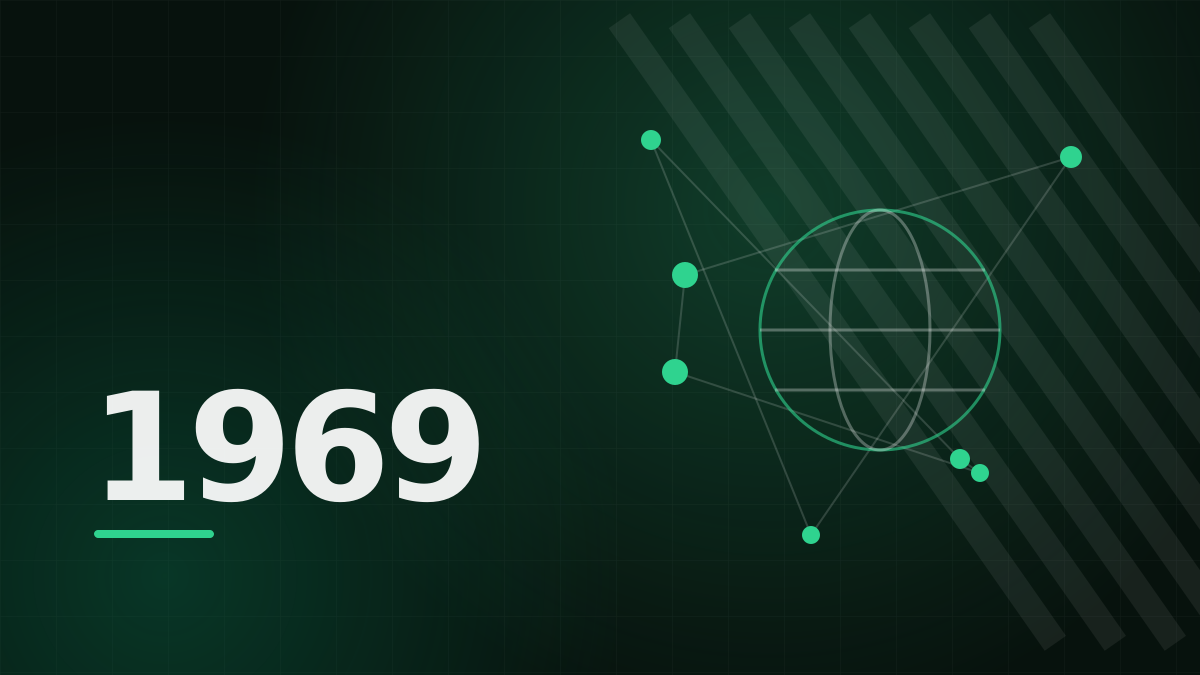
On 29 October 1969 a computer at UCLA tried to send the word LOGIN to Stanford Research Institute. Here is how ARPANET began and why its design still matters.

What a good landing page contains, how to structure it for one clear goal, and the common mistakes that quietly cost small businesses enquiries and sales.
In March 2024 a developer noticed a slow SSH login and uncovered a backdoor planted in xz Utils over two years. See the story and what it means for open source.

How to write clear website copy that turns visitors into enquiries and customers: headlines, benefits, proof, calls to action and editing tips.
In 2023 the Cl0p group exploited a SQL injection flaw in MOVEit Transfer and stole data from over 2,000 organisations. See what happened and how to respond.

Plan your site map, navigation and page hierarchy first. A simple structure helps visitors find what they need and helps search engines understand your site.
Log4Shell, found in Log4j in December 2021, let attackers run code on servers with a single text string. See why it spread and how to track dependencies.
A practical pre-launch checklist for a new business website: content, technical setup, tracking, legal pages and the first week after you go live.
In July 2021 REvil abused Kaseya's remote management tool to hit service providers and their customers. See how it spread and what it means for agencies.
Admin areas are the keys to your site. Learn how to lock down WordPress admin, hosting panels and database tools with 2FA, IP limits, least privilege and logs.
In May 2021 ransomware shut down Colonial Pipeline and caused fuel shortages across the US East Coast. See how one unused account helped, and why 2FA matters.
Plain FTP sends passwords and files unencrypted. Learn the differences between FTP, FTPS and SFTP, and how to switch to a secure option with key-based login.
In 2020 attackers hid malware in a routine SolarWinds Orion update sent to thousands of organisations. See how it worked and why plugin hygiene matters.
If your site is hacked, order matters. Follow these steps to contain damage, clean the infection, close the hole, restore trust and avoid a repeat attack.
In July 2020 attackers hijacked famous Twitter accounts by tricking staff by phone. See how social engineering reached internal tools and what to learn.
Ransomware locks files and demands payment. Learn how it reaches small businesses, why websites and servers are affected, and the steps that limit damage.
A misconfigured firewall let a former cloud engineer reach data on 100 million Capital One customers in 2019. See how SSRF and over-broad permissions combined.
A backup you have never restored is a hope, not a plan. Learn the 3-2-1 rule, what to back up, how often, where to store copies, and how to test a restore.
Marriott disclosed in 2018 that its Starwood guest database had been breached since 2014. Learn what was taken and why due diligence and logging matter.
A broken padlock or missing images after enabling HTTPS usually means mixed content. Find insecure URLs and fix them in WordPress, themes and the database.
In January 2018 researchers revealed Meltdown and Spectre, flaws in how modern CPUs work. See what they allow and why they matter for hosting and isolation.
HTTP security headers tell browsers how to protect visitors. Learn what HSTS, CSP, X-Content-Type-Options and Referrer-Policy do, and how to add them safely.
Equifax lost data on about 147 million people in 2017 after missing a patch for Apache Struts. See the timeline, the expired certificate and the lessons.
Outdated plugins and themes are a leading way sites get hacked. Learn a safe update routine with backups, staging, auto-updates and a plan for abandoned code.
NotPetya began with a poisoned accounting update in Ukraine and shut down firms worldwide in 2017. See how it spread and what Maersk's recovery teaches.
Wrong file permissions are a common cause of hacked sites. Learn how Linux permissions work, safe values for web files, and how to fix permission errors.
WannaCry spread to over 150 countries in May 2017 using a Windows flaw that had been patched two months earlier. See what happened and why updates matter.
Malware can hide on a site for weeks. Learn the warning signs, how scanners work, what to check by hand, and how to keep your WordPress site clean afterwards.
Yahoo disclosed huge breaches in 2016 and later said all 3 billion accounts were affected in 2013. A look at what happened, the price cut and what it teaches.
Length and uniqueness beat complexity rules. Learn modern password guidance, how password managers work, and how a small team can share logins safely.
In October 2016 a botnet of hacked cameras and routers disrupted Twitter, Netflix and more by attacking DNS provider Dyn. See how it worked and why it matters.
Two-factor authentication stops most stolen-password logins. Compare authenticator apps, security keys, SMS and backup codes, and plan a rollout for your team.
Hackers tried to steal nearly 1 billion dollars from Bangladesh Bank in 2016 via SWIFT. A spelling error stopped much of it. Here is what it teaches.
Bots try thousands of password guesses against login pages every day. Learn how brute force and credential stuffing work and which layered steps shut them down.
In December 2015 hackers cut power to about 225,000 people in Ukraine. See how the attack worked and which remote access lessons apply to every website.
A WAF filters malicious web requests before they reach your site. Learn how it works, what it blocks, its limits, and how to tune it without blocking customers.
The Impact Team's 2015 leak of Ashley Madison data exposed millions of users and a broken 'full delete' promise. A case study in data retention and passwords.
A DDoS attack tries to knock your site offline with floods of traffic. Learn the main attack types, how mitigation works and how small sites can prepare.
In November 2014 Sony Pictures was crippled by destructive malware and mass leaks. Here is what happened, who was blamed, and the backup lessons it left behind.

A slow database slows every dynamic page. Learn how to spot slow queries, clean bloated tables, use indexes and know when caching or more resources help.
In 2013 attackers stole 40 million card numbers from Target after entering through a supplier's login. See how it happened and how to limit third-party risk.

Most visitors browse on phones with weaker processors and uneven connections. Learn how to test mobile speed and fix images, scripts, tap targets and layout.
Shellshock, disclosed in September 2014, let attackers run commands on servers through a flaw in Bash. See what it was and the lessons it taught server owners.

PageSpeed Insights, Lighthouse, WebPageTest, Search Console and DevTools each show something different. Learn which free tool fits and how to read results.
Heartbleed, disclosed in April 2014, let attackers read memory from servers running OpenSSL. See what it exposed and the steps every site owner should remember.

TTFB shows how long your server takes to start responding. Learn what slows it down, how to measure it and how caching, PHP and database fixes lower it.
A Dutch certificate authority was hacked in 2011 and fake certificates were issued for Google and others. See how it unfolded and what it means for SSL today.

Custom fonts can delay text and shift layout. Learn font-display, WOFF2, subsetting, preloading and self-hosting to keep your typography fast and stable.
LulzSec hacked well-known sites for 50 days in 2011, often using basic SQL injection. Here is what happened and how site owners can avoid the same mistakes.

Too much JavaScript slows loading and makes pages feel sticky. Audit what your site ships, remove unused code and plugins, and defer or delay what remains.
In April 2011 Sony took the PlayStation Network offline after a breach affecting about 77 million accounts. See what went wrong and what site owners can learn.

Images are usually the heaviest part of a page. Compare JPEG, PNG, WebP and AVIF, learn responsive images, and use lazy loading without hurting LCP.
In 2011 security firm RSA disclosed an attack tied to its SecurID tokens, started by one phishing email. Here is what site owners should learn from it.

HTTP/2 and HTTP/3 move data more efficiently than HTTP/1.1. Learn what multiplexing and QUIC do, whether you need to change anything, and how to check support.
Stuxnet was a worm built to damage industrial equipment, found in 2010. Learn how it spread, why air gaps failed and what its story means for everyday security.

Server-side caching stops your site rebuilding the same page for every visitor. Learn how page cache, object cache and PHP OPcache differ and when to use each.
In January 2010 Google revealed a sophisticated attack from China. Operation Aurora showed how a browser flaw and a phishing link can open a whole company.

Browser caching lets returning visitors reuse files instead of downloading them again. Learn Cache-Control, ETag and Expires, plus safe lifetimes per file type.
Conficker spread through an unpatched Windows flaw and weak passwords, building a botnet of millions. Here is how it worked and why patching still matters.

A CDN stores copies of your files on servers near visitors. Learn how it works, what it speeds up, what it cannot fix, and how to decide whether you need one.
In 2007 retailer TJX disclosed one of the largest card thefts of its time. Here is how the thieves got in, and what website owners should take from it today.

Layout shift makes visitors tap the wrong thing. Learn what causes CLS, the 0.1 target, and how to fix images, ads, fonts and banners that move the page.
Passwords began in the 1960s on a shared MIT computer. See how storage, hashing and salting evolved, and why the old rules about symbols and resets were wrong.

INP measures how quickly a page reacts to clicks and taps. Learn what causes slow interactions and how to cut JavaScript work, long tasks and heavy plugins.
From Netscape's SSL 2.0 in 1995 through SSL 3.0 and TLS to the free certificates of today, here is how encrypted browsing became the default on the web.

A slow LCP means visitors wait for your main content. Find your LCP element, then fix server response, images, render-blocking files and late discovery.
From a 1978 ARPANET message to the Usenet Green Card spam of 1994 and the CAN-SPAM Act of 2003, here is how junk email grew and why the laws struggled.

Core Web Vitals measure loading, responsiveness and visual stability. Learn what LCP, INP and CLS mean, the scores to aim for, and where to begin fixing.
MyDoom spread by email in January 2004 faster than any worm before it, opened backdoors and flooded SCO's website. Its author was never publicly identified.
DNSSEC adds digital signatures to DNS answers so tampering can be detected. Learn how it works, what it does not do and the risks of enabling it badly.
In April 2004 Sasser crashed computers worldwide with no user action. An 18-year-old German who wrote it at 17 was caught after a bounty tip. The story of a self-spreading worm.
Transferring a domain between registrars is routine when you prepare. Learn about auth codes, locks, the 60-day rule and how to avoid downtime.
In August 2003 Blaster used a Windows RPC flaw to crash and restart PCs worldwide, with a message aimed at Microsoft. How it spread, and who was caught.
Should your blog or shop live at blog.example.com or example.com/blog? Compare setup, SEO, SSL, cookies and email to choose the structure that fits.
On 25 January 2003 a tiny worm infected most vulnerable SQL Servers in ten minutes and slowed the internet. What it teaches about patches and exposed databases.
WHOIS and RDAP records list who registered a domain. Learn what is public today, how privacy services work and why your contact details must still be accurate.
One week after 11 September 2001, Nimda spread by email, web servers, shared drives and infected web pages. It showed why one patched hole is never enough.
An expired domain takes down your website and your email at once. Learn the expiry lifecycle, common causes of missed renewals and a simple protection plan.
In July 2001 Code Red infected hundreds of thousands of Windows web servers within hours and was aimed at whitehouse.gov. The patch had been out for a month.
Should you pick .com, a country extension or a newer one? Compare trust, SEO, email and renewal considerations before you register your business domain.
In February 2000 a 15-year-old from Montreal knocked Yahoo, eBay, CNN and Amazon offline. This is how the first big DDoS wave worked, and how he was caught.
A records point to an IP, CNAMEs point to another name, and ALIAS or ANAME records solve the root domain problem. Learn when to use each and the rules.
Two-digit years threatened computers in 1999. The millennium passed quietly, but only after years of costly repair work. What happened and what it taught.
DNS does not propagate like a wave. It is cached by many resolvers on their own clocks. Learn what is true, what is not and how to check a change.
On 4 May 2000 an email titled ILOVEYOU spread from the Philippines to parliaments and newsrooms. How the worm worked, and the law it forced the country to pass.
TTL tells resolvers how long to cache a DNS answer. Learn sensible values, why lowering it before a move helps, and why changes can still seem slow.
On 26 March 1999 a Word document emailed itself to 50 contacts at a time and overloaded mail servers. See how Melissa spread and how its author was caught fast.
DNS turns a domain name into an address computers can reach. Learn what happens when you type a URL, who controls what, and what the main record types do.
In 1991 Phil Zimmermann released PGP while strong encryption counted as a munition. Follow the Customs probe, the Clipper chip and the fight over strong crypto.
If website form messages never reach your inbox, the cause is usually sender authentication. Here is how to diagnose and fix contact form email delivery.
How Diffie, Hellman and Merkle solved the key distribution problem in 1976, how RSA followed in 1977, and why the same maths protects every HTTPS site today.
Order confirmations and password resets must arrive every time. Learn how website email works, why PHP mail fails and how to send it reliably.
From packet filters at DEC and Bell Labs to the first commercial firewalls and stateful inspection, here is how the firewall became the first line of defence.
Email travels across many servers. Learn how TLS protects it in transit, why passwords are the weak point, and how to lock down business mailboxes.
After the Brain, Vienna and Jerusalem viruses, programmers in several countries wrote the first antivirus tools in 1987. Here is how signature scanning began.
Most successful phishing relies on one tired click. Teach your team the common warning signs, a safe checking habit and what to do after a mistake.
The story of two famous hacker groups of the 1980s and 90s, the myths around their so-called war, and the 1992 indictments that ended Masters of Deception.
Moving business email to a new host is safe if you copy mail first, switch DNS second and check after. Here is the full order of steps and the traps to avoid.
In May 1990 the US Secret Service raided hackers in 14 cities. The crackdown went wrong in important ways, and led to the Electronic Frontier Foundation.
Full mailboxes bounce new mail and slow every app. Learn what fills a mailbox, how archiving works, and how long businesses should keep email.
In 1984 German hackers made a bank owe them 135,000 marks through a videotex flaw, then gave it back publicly. The story of Europe's famous hacker club.
Webmail or a desktop app? Compare Outlook, Apple Mail, Thunderbird and browser webmail for business email, with setup tips and common pitfalls.
On 6 March 1992 a boot sector virus was predicted to wreck millions of PCs. It did far less damage than feared, but taught lessons about backups and hype.
Add a domain email account to your iPhone or Android phone with the right IMAP and SMTP settings, and fix the most common login and sending problems.
Kevin Mitnick's rise, his 1995 arrest and his later career show that people are often the weakest link, and why social engineering still works on small sites.
Shared inboxes stop customer messages from being stuck with one person. See the options, how to avoid duplicate replies, and how to set one up simply.
In 1986 astronomer Clifford Stoll followed a 75-cent accounting gap to a German hacker selling secrets abroad. A classic story of patient incident response.
Forwarders, aliases and full mailboxes look similar but behave differently. Learn which to use for role addresses, staff changes and cost control.
In November 1988 a Cornell student's experiment brought thousands of machines to a crawl. The Morris worm led to a landmark CFAA conviction and the first CERT.
MX records decide where your domain's email is delivered. Learn how priorities work, why they must be hostnames, and the errors that make mail bounce.
How a 1983 film, a gang of Milwaukee teenagers and a worried Congress led to the 1986 Computer Fraud and Abuse Act, which still defines hacking in US law.
BIMI can show your brand logo beside your emails in supporting inboxes. See the requirements, the effort involved and whether a small business needs it.
Two brothers in Pakistan wrote a boot sector virus to protect their software and left their names inside it. This is the story of Brain, the first IBM PC virus.
DMARC tells receivers what to do when SPF and DKIM fail and sends you reports. Learn the policy levels and a safe path from monitoring to enforcement.
In 1971 a program called Creeper crawled across the ARPANET saying 'catch me if you can', and Reaper was built to chase it. The story of the first network code.
DKIM signs every outgoing email so receivers can verify it. See how selectors, key sizes and rotation work, and how to fix a DKIM record that fails.
The word hacker began as praise at MIT in the 1950s and 60s. Follow its path from model trains and campus pranks to headlines about break-ins and crime.
SPF breaks silently when a record needs too many DNS lookups or is published twice. Learn how the limit works and how to keep your record valid.
The story of John Draper, the toy whistle that made a perfect 2600 Hz tone, and what early phreaks taught Apple's founders about systems and hidden assumptions.
If your business emails land in junk folders, there is almost always a reason you can find and fix. A step-by-step checklist from DNS records to content habits.
How a single 2600 Hz tone let curious teenagers control the Bell phone network, and why mixing data and commands is a mistake website owners can still avoid.
Deliverability is about more than avoiding spam words. Learn how authentication, reputation and sending habits decide whether your email reaches the inbox.
IMAP syncs your mailbox across devices, while POP3 downloads messages to one computer. Learn the differences, ports and when each one still makes sense.
A practical walkthrough from choosing mailbox names to adding DNS records and testing delivery, so your new business email works properly from day one.
A Gmail or Outlook.com address works for a start, but a mailbox on your own domain builds trust and gives you control. Here is what changes and why it matters.
A WordPress site needs regular care to stay fast and secure. Use this practical maintenance checklist, broken down by weekly, monthly and yearly tasks.
Accessible sites work better for everyone. Learn the practical basics for WordPress: themes, headings, contrast, keyboard use, alt text, forms and testing.
Cookie banners confuse many WordPress owners. This general guide covers what cookies are, how consent tools work and practical steps. It is not legal advice.
Contact form messages and password resets vanishing or landing in spam? Learn why WordPress mail fails and how SMTP, SPF, DKIM and DMARC fix it.
Thinking of leaving a website builder for WordPress? Learn what can move, what must be rebuilt and how to switch without losing your search visibility.
Your login page is the front door of your site. Learn how to protect it with strong passwords, two-factor authentication and attempt limits.
Giving everyone an Administrator account is a risk. Learn the default WordPress roles, how capabilities work and how to apply least-privilege access.
A bloated WordPress database slows queries and backups. Learn what builds up, which items are safe to remove and how to clean up without breaking your site.
WP-Cron runs scheduled posts, backups and emails, but it depends on visitors. Learn how it works, why it misfires and how to switch to a real server cron job.
The wp-config.php file controls how WordPress connects to its database and behaves. Learn the key settings for debugging, security, memory and updates.
Seeing a blank page, an Internal Server Error or Error establishing a database connection? Here is how to diagnose and fix the most common WordPress errors.
Good WordPress SEO is mostly about clear structure, useful content and a fast, secure site. Here is a practical foundation without myths or magic plugins.
The native block editor and page builders both create WordPress layouts, but they differ in speed, flexibility and lock-in. Here is how to choose between them.
Running dozens of client WordPress sites takes process more than tools. Learn about hosting structure, updates, access, backups and billing for agencies.
Headless WordPress uses WordPress as a content backend and a separate front end for display. Learn how it works, its benefits and the costs before you try it.
Multisite lets one WordPress install run many sites. It can save time for the right project, but it also brings limits. Here is how to decide.
Images are often the heaviest part of a WordPress page. Learn about sizing, compression, WebP, lazy loading and responsive images to make pages faster.
Caching is the biggest speed lever for WordPress, but the term covers several layers. Learn what each cache does, how they combine and what can go wrong.
A slow checkout loses sales. These WooCommerce performance tips cover caching rules, database health, extensions, images and scheduled tasks for growing stores.
A WooCommerce shop is heavier than a blog. Learn which hosting resources matter, from PHP memory to database speed, and when a shop outgrows shared hosting.
WordPress runs on PHP, and the version you choose affects speed, security and plugin compatibility. Here is how to pick, test and switch safely.
Updates keep WordPress secure but can break things if rushed. Here is a safe routine for core, plugin and theme updates, with a rollback plan.
A staging site is a private copy of your website for safe testing. Learn what it is, how to create one, and how to push changes live without losing data.
Backups only count if you can restore them. Learn what to back up, how often, where to store copies and how to test a restore on your WordPress site.
Found spam pages, strange redirects or a warning from Google? Here is a calm, ordered plan for cleaning a hacked WordPress site and keeping it clean.
Most hacked WordPress sites fall to outdated plugins and weak logins. This hardening checklist covers the steps that make the biggest difference.
Is there a safe number of WordPress plugins? Not really. Quality, scope and upkeep matter more than the count. Here is how to judge your own plugin list.
A business site needs only a handful of plugins done well. Here are the categories that matter, how to pick within each, and the ones you can safely skip.
The theme you pick affects speed, design freedom and maintenance for years. Here is what to check before choosing, and the warning signs to avoid.
A slow WordPress site usually has a handful of fixable causes. Here is how to measure, find the bottleneck and fix it in the right order without wasting time.
Fifteen specific questions to ask a hosting provider before buying: renewal price, limits, backups, migration, security, support hours and how to leave.
A plain-English web hosting glossary for beginners. Understand 50 common terms, from A records and bandwidth to SSL, TTL and VPS, before you buy a plan.
What does a website really cost per year? Break down hosting, domain, SSL, email, backups, plugins, maintenance and time so you can budget properly.

How to tell whether your web host is the reason your site is slow: test server response time, spot warning signs, rule out your site and decide when to move.
Running a website in several languages? Learn about URL structure, hreflang, translation plugins, speed and CDN so every audience gets a fast site.
A beginner's walkthrough for buying a domain and connecting it to web hosting: choose a registrar, set DNS, add SSL, set up email and check it all works.
Choosing a domain name for your business: keep it short and memorable, pick the right extension, check trademarks and social handles, and avoid common mistakes.
Should business email live with your website hosting or on a separate service? Compare both setups on deliverability, cost, risk and simplicity.
Not all hosting backups are equal. Learn the questions to ask about frequency, retention, location and restores, plus how to add your own off-server backup.

What hosting uptime really means, how to read uptime guarantees and SLAs, why a public status page matters and how to monitor your own site independently.
Does European hosting make a site GDPR compliant? A plain guide to controllers, processors, data location and the questions to ask a host. Not legal advice.
Launching a SaaS MVP? Learn how to choose hosting for early stage products: VPS vs shared, environments, backups, scaling plans and what to avoid at launch.

Photographers and designers need hosting for large images that still loads fast. Learn about storage, image optimisation, CDN, backups and protecting your work.
What a restaurant, cafe or local business needs from hosting: fast mobile pages, menus, booking, email and easy upkeep, without paying for power you won't use.
Nonprofits need reliable, affordable hosting that volunteers can manage. Learn what matters: ownership, email, donations pages, backups, handover and budget.
A safe step-by-step plan for changing hosting providers: inventory your site, copy files and email, test before DNS changes, lower TTL and avoid downtime.
Before buying hosting, read the terms for these red flags: vague limits, auto-renewal traps, weak refund wording, data deletion rules and missing exit options.
A hosting control panel is the dashboard you manage your site from. See what it does, how panel choice affects your daily work, and what to check before buying.
A dedicated server is overkill for most sites but right for some workloads. See six real use cases, cost trade-offs and how to choose between VPS and dedicated.
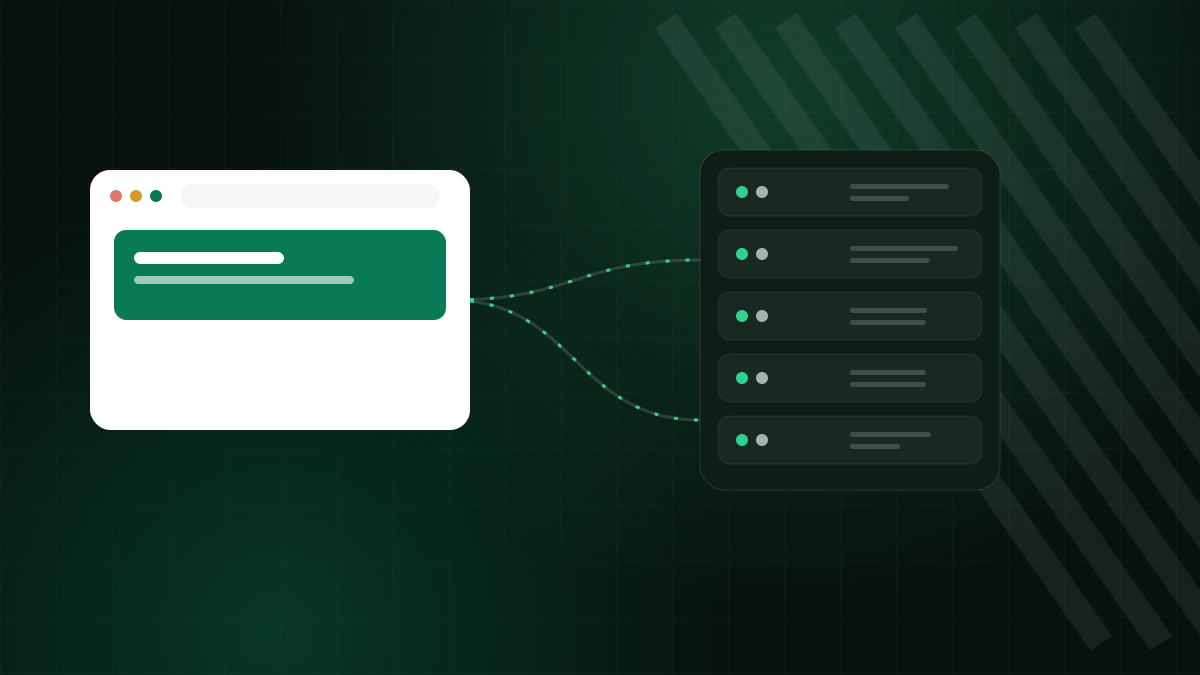
Managed vs unmanaged VPS hosting explained: who handles updates, security and monitoring, what each really costs in time, and which option suits your skills.

Before paying for a bigger plan, measure the real bottleneck. Use response time, resource graphs and error logs to decide whether to upgrade or optimise.
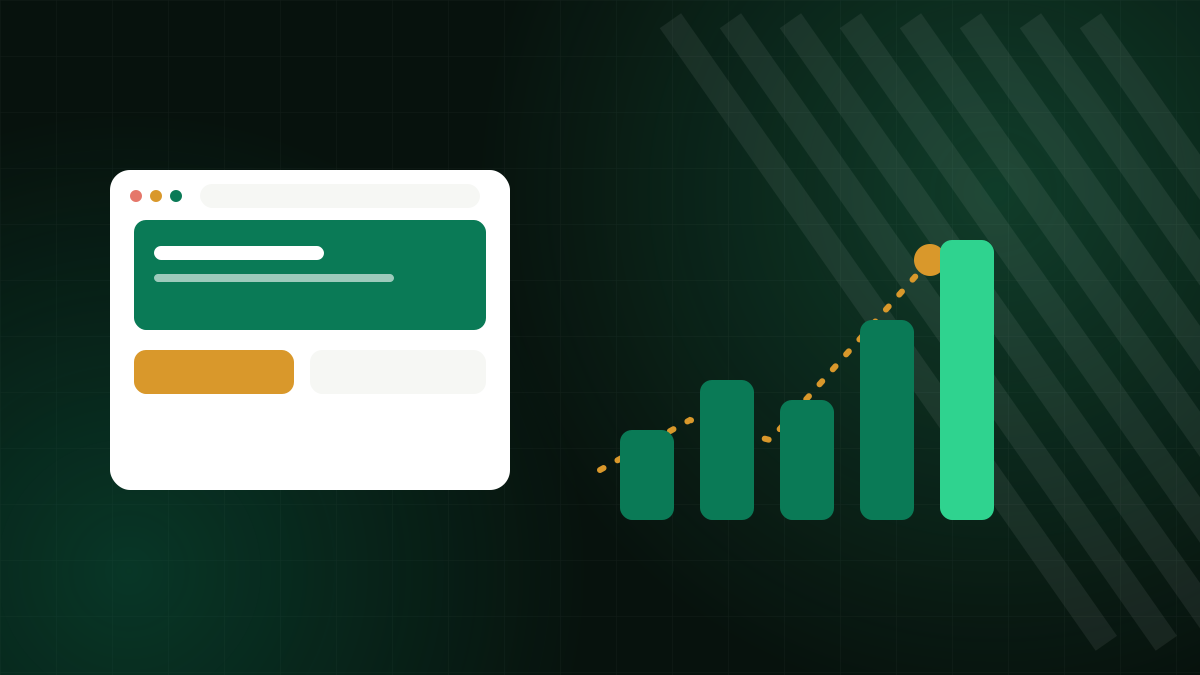
What reseller hosting is, how freelancers use it to host client sites, how billing works, what to watch for and when it makes more sense than separate accounts.

How agencies should host many client sites: isolation, access control, billing, backups and support. Compare reseller, VPS and dedicated setups.
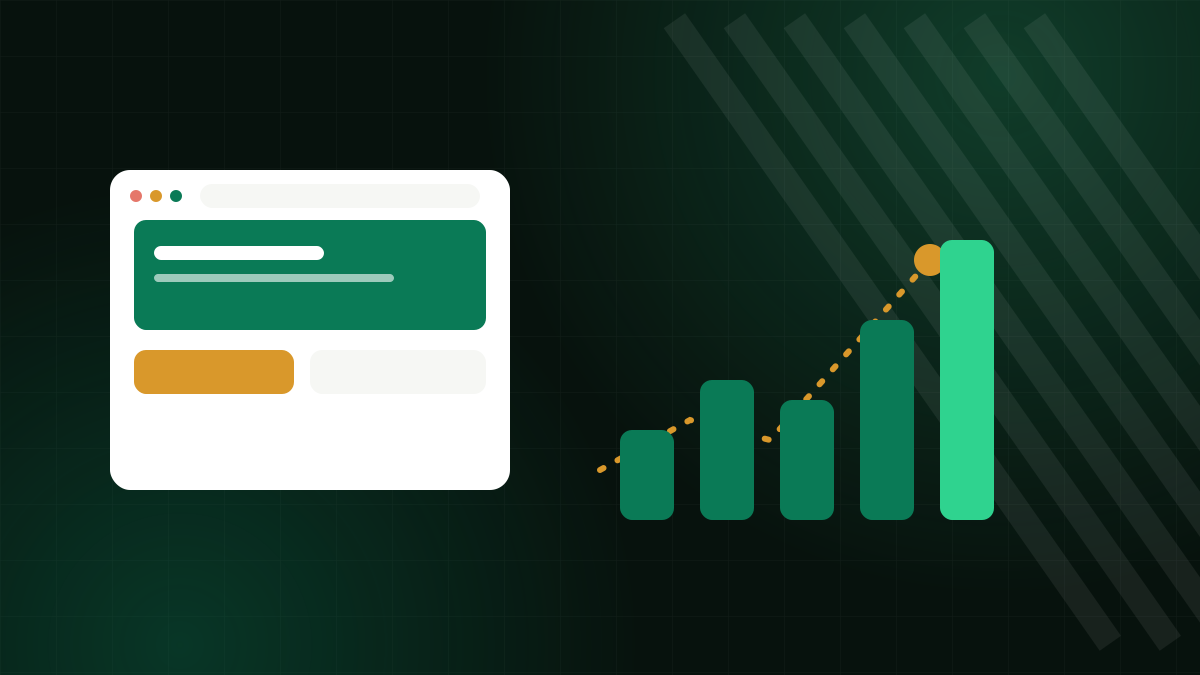
Choosing hosting for an online shop means more than speed. Learn what to check for WooCommerce and other stores: resources, SSL, backups, staging and support.
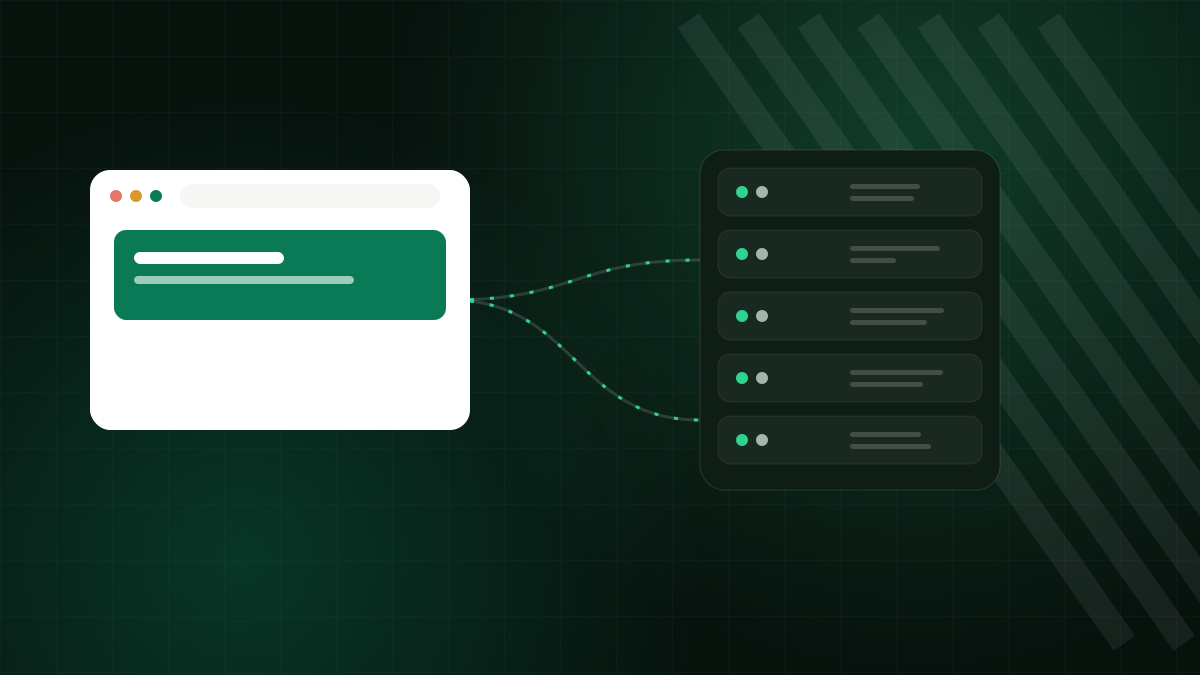
Disk space, bandwidth, RAM, CPU and inodes explained in plain English, with examples of which limit your website will hit first and how to spot it.
Work out how much hosting a small business needs: estimate storage, traffic, email and growth, and learn when a basic plan is enough and when it is not.
Low first-year hosting prices often jump at renewal. Learn how to read the fine print, compare real costs over three years and avoid common pricing traps.
Unlimited web hosting plans always have limits somewhere. Learn where they hide, how fair-use policies work and which numbers to check before you buy.
Shared, cloud, VPS and dedicated hosting explained in plain English: how each works, what you control, who it suits and how to pick the right one for your site.
A step-by-step checklist for choosing a web host: match the plan to your site, check renewal terms, backups, support, security and migration before you pay.
Why web hosting support in your own language matters: faster fixes, fewer mistakes and clearer billing. How Zebra supports customers in 17 languages by ticket.
A practical website security checklist for small businesses: updates, tested backups, strong logins and 2FA, SSL, a web firewall and a simple response plan.
How to point your domain to your hosting: when to change nameservers, when to use A records instead, which records you need and how DNS propagation works.
New to the Plesk control panel? This beginner's tour covers the 10 tasks you will do most, from domains, files and databases to email, SSL, backups and PHP.
SSL certificates explained in plain words: how HTTPS works, Let's Encrypt versus Cloudflare Origin CA, and the difference between Full and Full (strict) mode.
Start a web hosting business with reseller hosting and white-label Plesk: who it suits, pricing your plans, onboarding clients and running support well.
Shared hosting vs VPS: the signs you have outgrown shared hosting, what a VPS really changes, what it costs you in time, and how to plan a smooth upgrade.
Set up business email on your own domain: choose mailbox sizes, add MX, SPF, DKIM and DMARC records, and connect Outlook, Apple Mail and phones in minutes.
A step-by-step plan to migrate a WordPress site to a new host without downtime: back up, copy files and database, test privately, then switch DNS safely.

What Cloudflare does for your website, how its free CDN and SSL work with your hosting, and when to use your host's Cloudflare or your own Cloudflare account.

How to pay for web hosting with crypto, step by step: choosing a coin and network, sending USDT, BTC or ETH through Cryptomus, and avoiding common mistakes.
Choosing web hosting in Europe? Compare shared, WordPress and VPS hosting, see what actually matters for speed, privacy and price, and pick the right plan.